A Guide to the Stages of Gum Disease
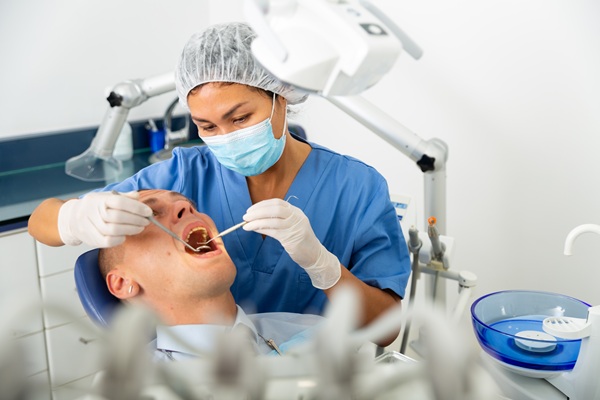
Any dentist will say that gum disease is a serious matter. Neglecting treatment for it can lead to more significant problems for your oral health. Your overall well-being could also suffer from the effects of periodontitis. If you are unfamiliar with this condition, it is helpful to understand the causes, symptoms, and the ways a general dentist can treat it. Gum disease comes in different stages, each posing challenges and health risks.
The importance of good oral hygiene
From the time a person is young, parents, teachers, and caregivers should stress having good dental habits. People should brush at least twice a day with fluoride-based toothpaste. It is especially crucial to brush after meals for about two minutes. Brushing can remove plaque from teeth and prevents cavities.
Flossing is equally vital for a person’s oral wellness. This activity dislodges food particles from in between teeth. It keeps teeth and gums healthy and strong. Daily flossing will eliminate the buildup of bacteria, which is the culprit of gum disease starting in a person’s mouth. Other helpful habits include rinsing daily with a mouthwash and seeing the general dentist twice a year.
Gingivitis
When a person does not floss regularly or effectively, gingivitis can start. This is the beginning stage of gum disease, which is characterized by red, tender gums. The gums may swell and bleed during brushing or eating. There can even be some gum pain. Improved efforts in brushing and flossing can reverse the effects of gingivitis. If the dentist and patient identify this condition early and treat it, the individual can enjoy healthy-looking gums again.
Advanced gingivitis
When a person only flosses and brushes occasionally, the gingivitis can advance. When this happens, the person will have plaque buildup on the teeth and at the gumline. The bleeding will become more frequent and serious. Even with more focused flossing and brushing, it may be difficult to fight advanced gingivitis.
Periodontitis
As bacteria cause plaque, it may start to harden, which leads to tartar developing around the teeth. A person cannot remove tartar by flossing and brushing. Instead, the dentist must remove this with professional methods. Tartar will attack the teeth and gums, causing destruction. At this stage, the person’s breath may begin to smell foul. The gums also may begin to recede, and the person could have a gummy smile.
Advanced periodontitis
This stage of gum disease requires immediate attention. The dentist will use techniques such as scaling and root planing to remove the tartar. Without treatment, the patient could experience tooth loss or gum loss. Infections can develop, which can affect the person’s mouth, face, and entire body. In the most severe cases, the dentist may need to perform oral surgery to treat the disease.
Preventing gum disease
Preventing gum disease from taking over is better than going through treatments for it. This condition affects the bones and gum tissue that surround the tooth. Working with the dentist can help keep one’s gums healthy. Here are some effective tips on how to prevent gum disease:
- Drink more water. Proper hydration is important in keeping gum disease at bay. Water can buffer the bacterial acids in the mouth. It also triggers the production of more saliva that helps neutralize these acids. Neutralizing acids can protect the enamel from erosion and cavities.
- Practice good oral care. Daily brushing, flossing, and using antibacterial mouthwash can help with daily mouth cleaning. Keeping appointments for dental cleaning can help remove plaque and dental calculus from the patient’s teeth. This can prevent bacteria from causing gum infections.
- Maintain a healthy diet. Staying away from sugary and starchy foods can prevent dental decay and cavities. Eating more fruits and vegetables can help clean teeth and strengthen one’s immunity. This can help the body keep gum disease at bay.
- Increase intake of vitamin C. Studies show that a deficiency in this vitamin can lead to gum disease. Vitamin C can help stop gum bleeding, swelling, and recession. It can also keep loosened teeth stable.
- Stop consuming tobacco and alcohol. These substances can impair proper blood oxygenation and circulation. Any damage in the mouth will not heal right away because of poor circulation. This can lead to the onset and progression of gum disease.
Do not fall prey to gum disease
Now is the time to take this disease seriously. Brush and floss daily, and make it a priority to see the dentist. If you notice any signs or symptoms of gum disease, get help right away. Your dentist can treat gum disease in all stages.
Request an appointment here: https://lakeviewdentist.alluredentalchicago.com or call Allure Dental Chicago at (773) 840-8121 for an appointment in our Chicago office.
Check out what others are saying about our dental services on Yelp: Gum Disease in Chicago, IL.
Related Posts
A laser dentist uses focused light energy to perform many common treatments with greater precision and less irritation to nearby tissue. For nervous patients, this approach can make appointments feel calmer and more manageable. Dental lasers may reduce bleeding, limit swelling, and shorten recovery for certain procedures. A general dentist with laser training, like ours,…
A healthy smile requires routine maintenance, and knowing when to see a preventive dentist helps individuals protect their oral health. Dental practitioners focus on cleanings, examinations, and diagnostic procedures to intercept decay or gum irritation before issues become severe. These clinical evaluations look for early indications of disease, structural weakening, or infections. Seeking regular professional…
Research shows that the demand for a cosmetic dentist’s services is increasing every year. The goal is to improve one’s smile. This dental care provider can address many cosmetic dental problems. Knowing the top services offered by a cosmetic dentist can help you make informed decisions on your next dental appointment.Teeth whitening is a quick…
A cosmetic dentist can rejuvenate your smile and elevate your self-esteem. Visiting the provider for a consultation will give you a preview of what your treatment will be like. Your dentist will explain what aspects the treatment will cover that can help enhance your experience. Below are the things to expect during your cosmetic dentist…


