Dental Crown vs. Dental Bridges for Tooth Replacement
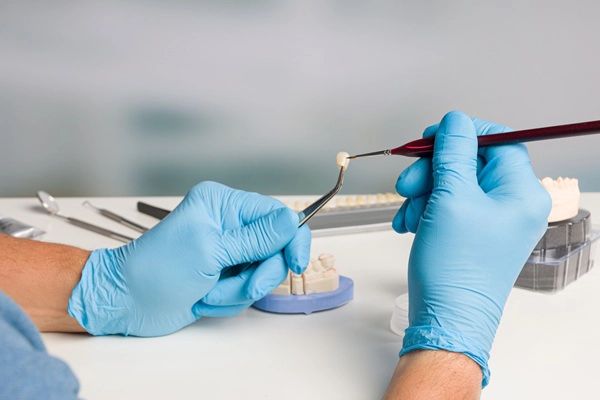
A dental crown can repair a damaged tooth or be placed on top of a dental implant to replace a missing tooth. However, you may also wonder if a bridge is the better choice for tooth replacement. Both treatments restore function and improve appearance, but they solve different problems. A closer look at how each option works can help you decide which treatment fits your needs and goals.
Understanding dental crowns
A dental crown is a custom-made cap that fits over a damaged or weakened tooth. Its purpose is to restore the tooth’s shape, strength, and appearance while protecting the remaining natural tooth structure. When replacing a missing tooth, the dentist can place a crown on a dental implant, also known as an implant crown.
Crowns come in several materials, including porcelain, ceramic, zirconia, metal alloys, and porcelain-fused-to-metal. The right material depends on factors such as the tooth’s location, bite pressure, and the patient’s overall oral health.
The benefits of dental crowns
Several advantages make crowns an effective restorative solution for damaged or missing teeth. These benefits include:
- Protects weakened teeth from further damage
- Improves the appearance of cracked, worn, or discolored teeth
- Preserves the natural tooth whenever possible.
- Restores normal chewing strength and biting function
- Provides a natural-looking restoration on top of an implant
Modern materials also produce highly natural-looking results, allowing restored teeth to blend seamlessly with surrounding teeth.
What is a dental bridge?
A dental bridge replaces one or more missing teeth. Instead of restoring an existing tooth, a bridge fills the gap left behind after tooth loss or extraction. A traditional bridge uses crowns on the teeth next to the gap to hold an artificial tooth, called a pontic, in place. Another option is an implant-supported bridge, which relies on dental implants rather than neighboring teeth for support.
Bridges do more than improve appearance after losing one or more teeth. They also restore the patient’s oral function and reduce the chance that nearby teeth will shift out of position over time.
The benefits of dental bridges
Dental bridges offer important functional and cosmetic benefits for those with missing teeth. They help maintain proper spacing, improve chewing efficiency, and restore speech. Additionally, bridges preserve facial contours and typically require fewer appointments than other replacement options.
Key differences between dental crowns and bridges
Although crowns and bridges may look similar, they serve different purposes. In many cases, a dental crown restores a tooth that still has a healthy root but needs extra support. The crown covers the visible part of the tooth and helps protect it from additional damage. In contrast, a dental bridge replaces a missing tooth. Rather than cover an existing tooth, the bridge spans the space with an artificial tooth that attaches to neighboring teeth or dental implants.
The treatment process also differs when replacing a missing tooth. A single implant crown usually involves the dental team preparing only one tooth at a time, whether that means placing a crown on a prepared tooth or on a pre-placed implant. Meanwhile, a traditional bridge requires preparation of the healthy teeth on either side of the gap so they can support the restoration.
Factors that influence the patient’s choice
Several factors help determine whether a crown or bridge is the better solution. The first consideration is the condition of the affected tooth. If enough healthy tooth structure remains, a crown may restore its strength and function. If the tooth is missing, a bridge may provide an effective replacement. That said, if the surrounding teeth are not strong enough, the dentist may recommend placing an implant crown instead of a bridge.
Other factors include:
- Number of missing teeth
- Overall oral health
- Gum health
- Jawbone support
- Bite alignment
- Long-term maintenance needs
A complete dental exam, along with X-rays and a personalized treatment plan, can help the dentist determine the most appropriate option for each case.
Caring for crowns and bridges
Good maintenance contributes to the lifespan of both crowns and bridges. Daily brushing and flossing help keep the surrounding teeth and gums healthy. Floss threaders or interdental brushes can make it easier to clean beneath a bridge. Regular dental checkups also allow the dentist to spot small problems before they become larger ones.
Find the right tooth replacement for your needs
A dental crown and a dental bridge both restore your oral health. However, the right choice depends on several factors. A dental evaluation with our team can help you choose the right option that best supports a healthy, functional smile. Call our Chicago office today to learn more or schedule an appointment.
Request an appointment here: https://lakeviewdentist.alluredentalchicago.com or call Allure Dental Chicago at (773) 840-8121 for an appointment in our Chicago office.
Check out what others are saying about our dental services on Yelp: Dental Crowns in Chicago, IL.
Related Posts
If you need a permanent crown but dread the thought of multiple dental visits, same day dentistry provides a fast, modern alternative that fits into a busy schedule. Traditional restorative dental care forces patients to wait weeks for an off-site dental lab to finish a tooth restoration. This delay requires the use of uncomfortable temporary…
Research shows that the demand for a cosmetic dentist’s services is increasing every year. The goal is to improve one’s smile. This dental care provider can address many cosmetic dental problems. Knowing the top services offered by a cosmetic dentist can help you make informed decisions on your next dental appointment.Teeth whitening is a quick…
A laser dentist uses focused light energy to perform many common treatments with greater precision and less irritation to nearby tissue. For nervous patients, this approach can make appointments feel calmer and more manageable. Dental lasers may reduce bleeding, limit swelling, and shorten recovery for certain procedures. A general dentist with laser training, like ours,…
A healthy smile requires routine maintenance, and knowing when to see a preventive dentist helps individuals protect their oral health. Dental practitioners focus on cleanings, examinations, and diagnostic procedures to intercept decay or gum irritation before issues become severe. These clinical evaluations look for early indications of disease, structural weakening, or infections. Seeking regular professional…


